Wind pressure greater than 200 kPa
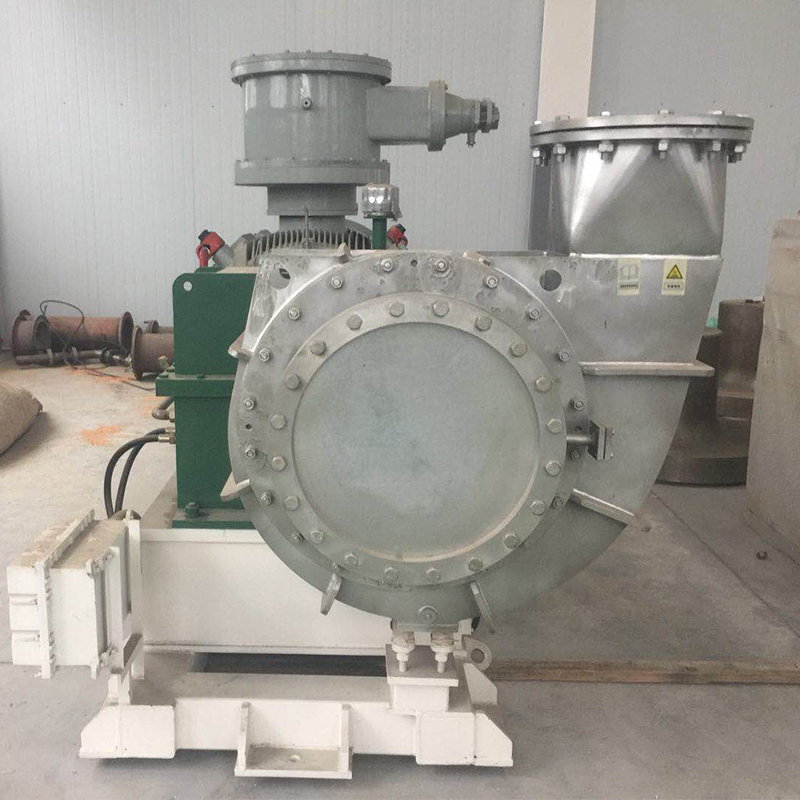
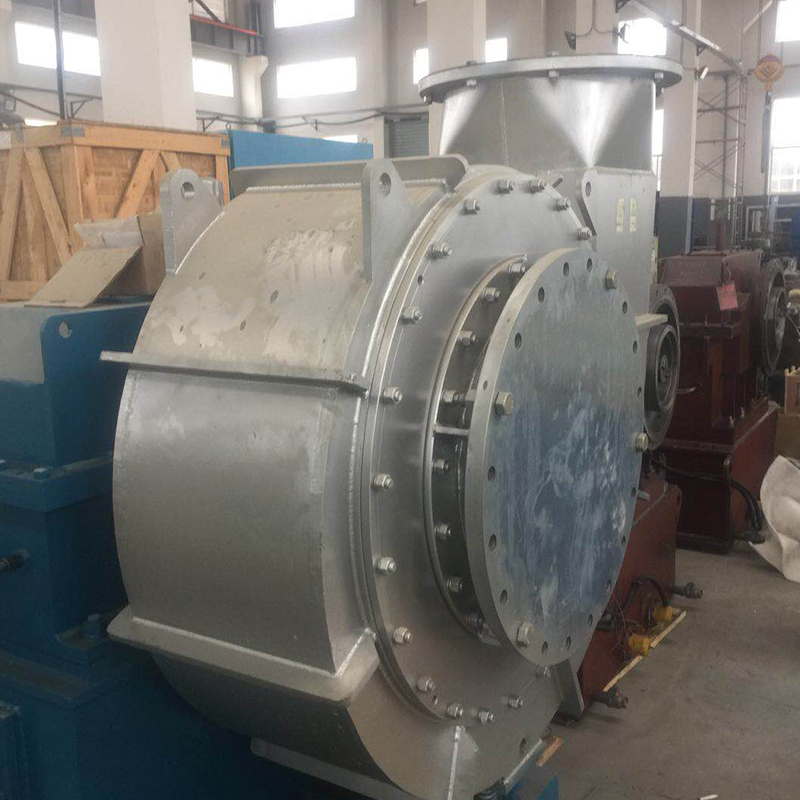
Some basic chemical raw materials, such as propylene, ethylene, butadiene, benzene, etc., can be processed into important chemical products including plastics, fibers and rubbers. In petrochemical plants that produce such basic raw materials, centrifugal compressors also play an important role as one of the key pieces of equipment. In addition, centrifugal compressors are also critical equipment in other industries such as petroleum refining and refrigeration.
China was capable of manufacturing centrifugal compressors as early as the 1950s. Starting from the early 1970s, a series of high-performance medium- and high-pressure centrifugal compressors were introduced mainly for petrochemical plants and large-scale fertilizer plants, through which rich operational experience was accumulated. On the basis of digesting and absorbing the imported technologies, China has significantly strengthened its independent research, design and manufacturing capabilities.
Performance Characteristics
Advantages
The wide application of centrifugal compressors is mainly attributed to their advantages over reciprocating compressors as follows:
-
Large gas volume, simple and compact structure, light weight, small unit size and small footprint.
-
Stable operation, reliable performance, high operating rate, few friction parts, resulting in low spare parts consumption, low maintenance costs and reduced maintenance manpower.
-
In chemical processes, centrifugal compressors enable a completely oil-free compression process for chemical media.
-
As a rotary machine, centrifugal compressors are suitable for direct driving by industrial steam turbines or gas turbines. For most large-scale chemical plants, by-product steam is commonly used to drive industrial steam turbines as the power source, enabling comprehensive utilization of thermal energy.
However, centrifugal compressors also have certain disadvantages.
-
Not suitable for applications with extremely small gas volumes or excessively high pressure ratios.
-
Relatively narrow stable operating range; although gas volume adjustment is convenient, its economic efficiency is poor.
-
Generally lower efficiency than reciprocating compressors.


 No. 25, Lifeng 4th Road, Daixin Industrial Park, Lintong District, Xi'an City, Shaanxi Province, P.R.China